

If you are thinking about having new sod installed in your yard this year, it is important to plan ahead and have it completed in a month that will give it the best chance to grow green and full. Understanding sod installation best practices will ensure your sod develops deeper roots and lasts for years ahead.
Best Months to Install Sod in South Carolina
The good news for South Carolina homes and businesses considering new sod is that sod can grow most months out of the year due to our climate. However, there are better months than others, and you should certainly stick to those if possible.
Spring (March – May)
Spring is one of the best times to lay sod in South Carolina. Soil temperatures are warming up after winter, which encourages strong root development, and rainfall is typically more consistent, meaning less manual watering to keep new sod hydrated.
March through May hits a sweet spot: warm enough for grasses to establish quickly, but not yet punishing with the kind of summer heat that stresses new installations. If you’re planting a warm-season grass like Bermuda or Zoysia, a spring install gives the lawn a full growing season to root in before cooler weather arrives.
Fall (September – October)
Early fall is the other prime window for sod installation in South Carolina. Temperatures are dropping from summer highs, the ground is still warm, and there’s usually enough rain to ease the watering burden.
September and October are ideal because the sod has time to establish roots before the grass goes semi-dormant in winter. You’ll also deal with fewer weeds competing with new sod during fall installs.
Can I Install Sod in the Summer or Winter?
You technically can, but both seasons come with trade-offs.
Summer installation is doable, but it requires aggressive watering, sometimes two to three times daily during the first two weeks. The heat stresses new sod before it has time to root, and any gaps in watering can quickly lead to die-off. It’s a higher-risk window that demands more hands-on attention.
Winter installation is generally not recommended for most grass types in this region. When soil temperatures drop below 50°F, root activity slows dramatically and new sod has very little ability to establish. A hard freeze on freshly laid sod can do serious damage.
Factors That Affect Sod Installation Timing
Each month looks and feels a bit different here in South Carolina, so living or dying on one specific month is tough, so it is best to fully understand the variables that impact your grass’s growth to help make the best decision.
Soil Preparation
Even the best-timed install will underperform on poorly prepared soil. Compacted ground, poor drainage, or significant grade issues need to be addressed before sod goes down. Proper grading, tilling, and soil amendment take time and should be factored into your project timeline. Have a professional take a look before installing sod to ensure your ground is properly prepped.
Soil Temperature
This is the single most important factor. Grass roots don’t grow meaningfully when soil temperatures drop below 50°F, and they thrive between 60°F and 80°F. Air temperature doesn’t always reflect what’s happening below the surface, so checking soil temperature before installation, rather than relying on the forecast, is always a smart move.
Type of Grass
Not all grasses have the same ideal installation window.
Warm-season grasses like Bermuda, Zoysia, and Centipede are the most common choices for South Carolina lawns (especially here in the Upstate) and establish best when soil is warm, making spring and early fall ideal. Warm season grasses need soil temperatures to be above 65°F to grow successfully.
Cool-season grasses like Tall Fescue can handle installation in early fall and even late winter, since they thrive in cooler soil temperatures. However, the soil still needs to be above 50°F and should not be planted before a frost.
Choosing the right grass type for your sun exposure, soil, and foot traffic is just as important as timing, and it’s something a professional can help match to your specific yard.
How Much Water Does New Sod Need?
New sod needs consistent moisture, especially in the first two to three weeks. If you don’t have a sprinkler system or easy access to water all areas of the yard, timing your install around natural rainfall patterns makes a real difference. Spring and fall tend to offer more cooperative weather than summer, when you’re fighting both heat and dry spells.
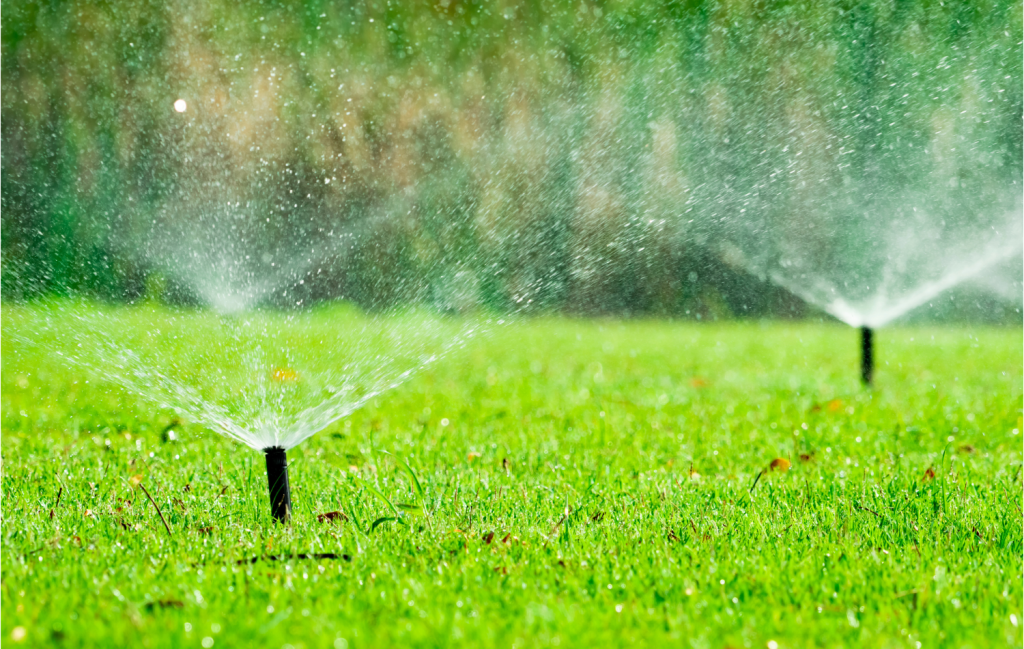
Watering Schedule
Weeks 1-2: Water twice daily for about 15-minutes to reach a soil depth of 1-inch.
Weeks: 3-4: Reduce watering to once every two-three days, but keep volume the same. Your grass should still be getting around an inch of water each week.
It is ideal to have an irrigation system installed to not only help your new grass develop, but also to keep it maintained throughout the year.
How Much Sod Do You Need? [Sod Calculations]
Sod is typically sold by the pallet. A standard pallet covers approximately 400 to 500 square feet, though this can vary slightly by grass type and supplier. For most planning purposes, using 450 square feet per pallet is a reasonable working number.
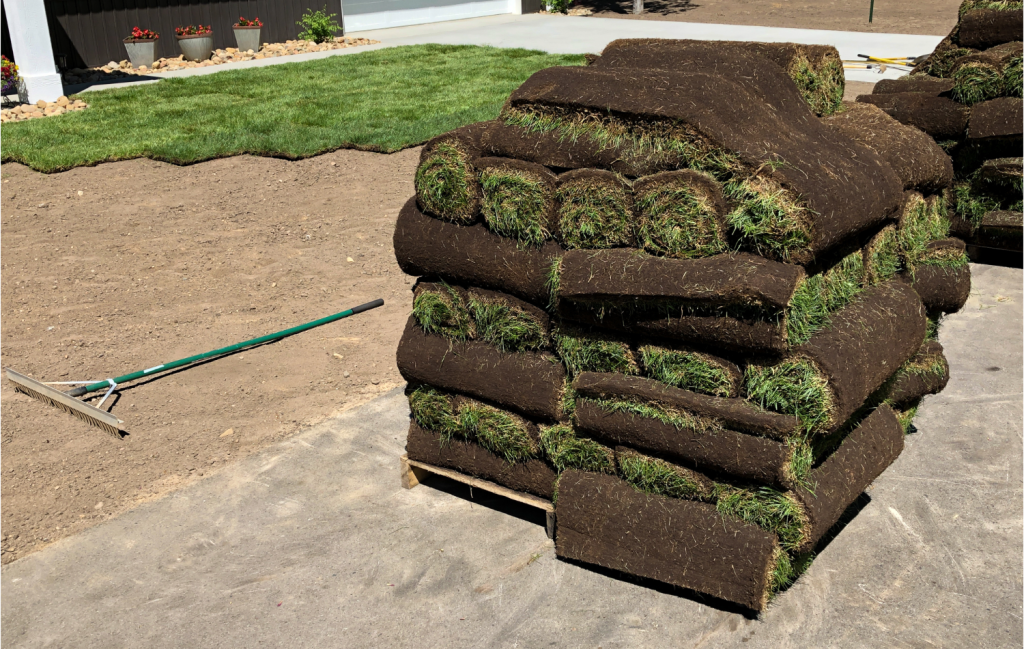
To estimate how many pallets you need, measure the length and width of the area you want to cover and multiply them together to get the square footage. Then divide by 450.
Simple formula: Square footage ÷ 450 = number of pallets needed
Example: Say your backyard measures 60 feet by 40 feet. That’s 2,400 square feet. Divide by 450 and you get approximately 5.3 pallets, so you’d order 6 pallets to make sure you have enough coverage.
It’s always a good idea to order about 5–10% extra to account for cuts around landscaping, edges, and any irregular shapes. Leftover sod can be used to fill gaps or patch problem areas down the road.
If you are hiring a professional to install your sod, they will take care of the measurement and ordering for you, so you can disregard this step entirely and be confident you will get an accurate quantity of sod to cover your lawn.
Signs You Need New Grass
On the fence about whether you need new sod in the first place? Sometimes a lawn reaches a point where patching and overseeding just won’t cut it. Here are a few clear signs it’s time to consider starting fresh with new sod.
Bare or Thinning Patches That Keep Coming Back
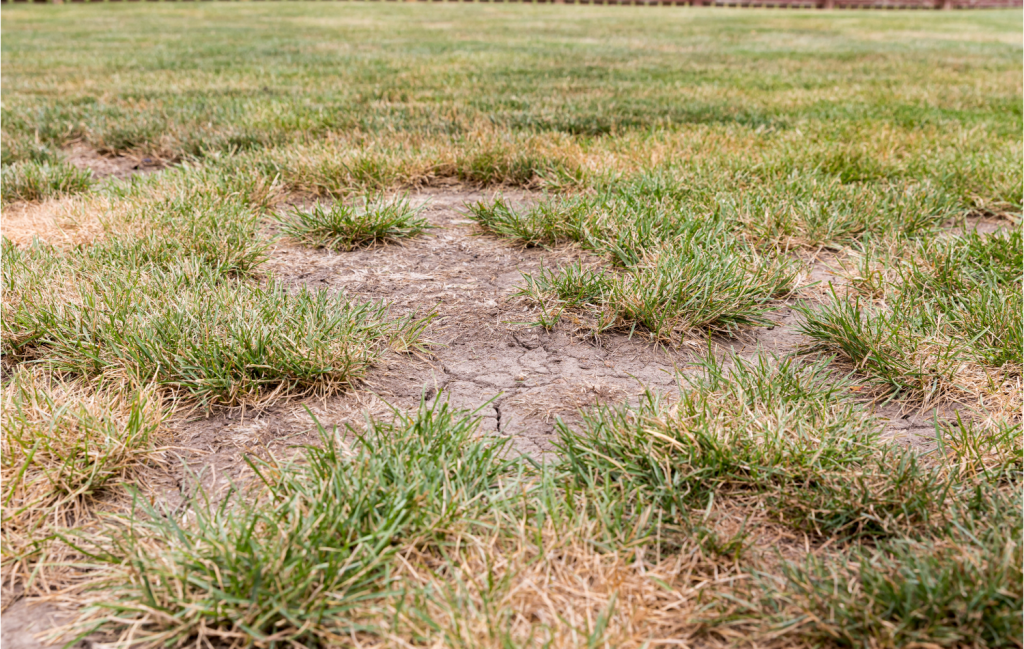
If you’ve reseeded the same areas multiple times and they keep dying out, there may be an underlying issue (compaction, drainage, shade, or persistent disease) that makes those spots nearly impossible to grow grass in without a fresh start and proper soil prep.
Weeds Are Taking Over
A lawn that’s more weeds than grass has typically passed the point where herbicides alone will restore it. New sod installed on properly prepared soil gives you a clean slate with dense, healthy turf that naturally crowds out weeds.
Uneven or Lumpy Surface
Low spots, raised areas, and general bumpiness aren’t just cosmetic problems. They cause drainage issues and create wear patterns. New sod installation allows for regrading the soil surface to create a level, functional lawn.
Persistent Brown or Dead Areas
If areas of your lawn have been brown for an extended period despite adequate watering, the grass may be dead rather than dormant. Fungal disease, grub damage, and chemical burns can all kill grass down to the roots, leaving you with no real option other than removal and replacement.
Sod Installers Near You
If you are considering sod installation in Greenville, SC or the surrounding Upstate area, SAV Landscaping is your trusted expert on all things sod.
At SAV Landscaping, we provide professional sod installation along with grading, soil preparation, and irrigation solutions to ensure your new lawn establishes properly and lasts for years to come. Request a consultation today for the first step in transforming your lawn.